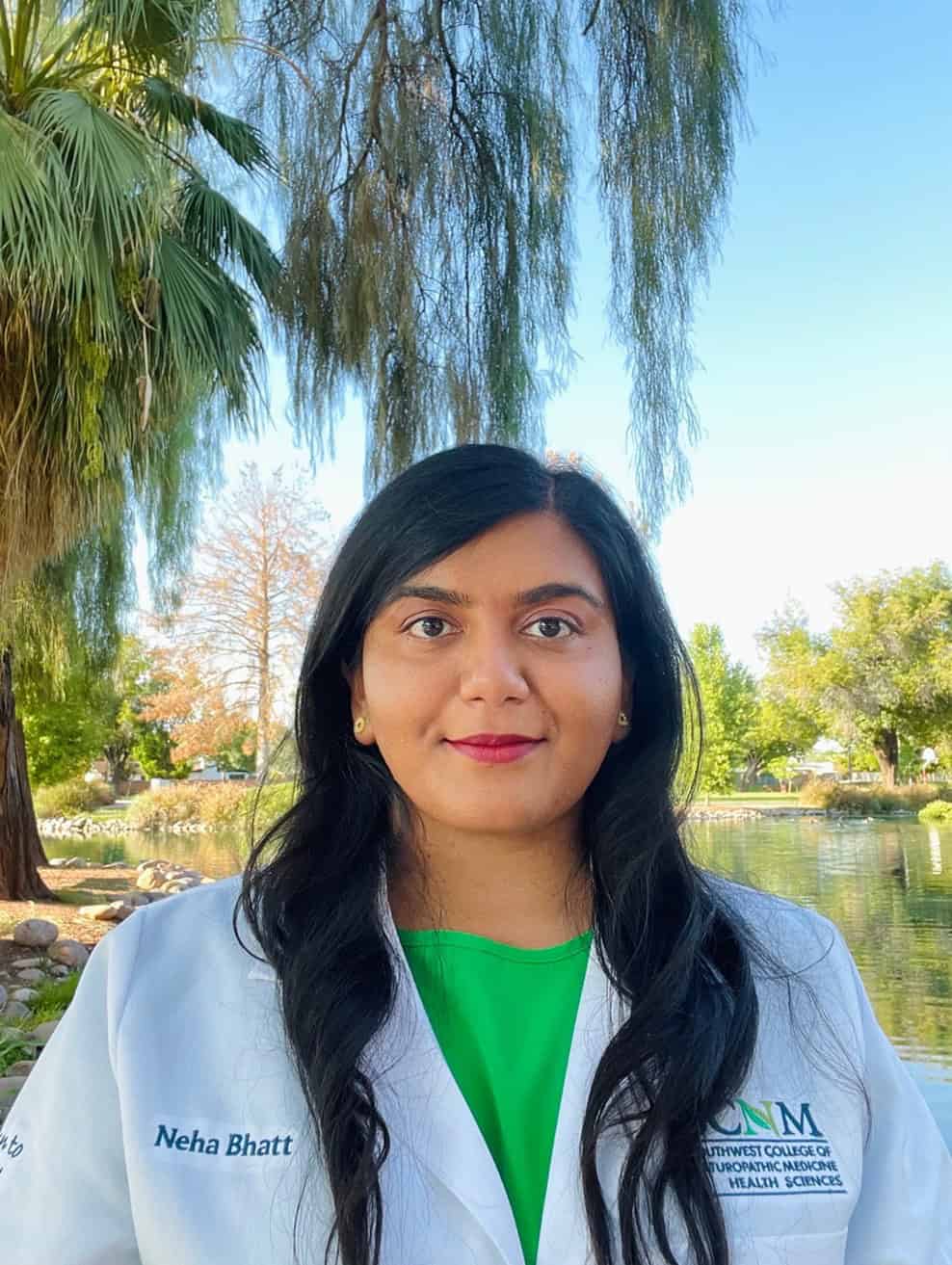
Expert commentary on "Connecting Thyroid Disease and PCOS" and medical review provided by Neha Bhatt, NMD.
November 18th, 2025
Have you ever wondered how your thyroid health might be influencing your PCOS symptoms, vice versa? If you're navigating either of these conditions, understanding their connection can be a game-changer for your overall health. Let's explore how these two systems interact and what you can do to support balance.
Your thyroid is a small gland with a big job: it regulates metabolism, energy, and hormone balance. When it's underactive (hypothyroidism) or affected by autoimmune conditions like Hashimoto's, your whole body feels the impact.
Read more about Thyroid Disease →
Polycystic Ovary Syndrome (PCOS) is a hormonal condition that can affect menstrual cycles, fertility, and metabolism. It often shows up as irregular periods, weight changes, or skin and hair concerns.
Here's where it gets interesting: research shows a strong link between thyroid disorders, especially hypothyroidism, and PCOS. Why? Both conditions share common threads like hormonal imbalance, insulin resistance, and inflammation. When one system is off, it can ripple through the other.
Managing one condition without addressing the other can make symptoms harder to control. For example, hypothyroidism can amplify PCOS symptoms like weight gain and irregular cycles. Treating both together often leads to better energy, mood, and metabolic health.
Yes! If you have PCOS, ask your provider about a full thyroid panel (TSH, Free T4, Free T3, and thyroid antibodies). Likewise, if you have thyroid disease and notice irregular periods or stubborn weight changes, consider PCOS testing. Early detection means better outcomes.
Think of this as a whole-body approach:
Your hormones don't work in isolation, they're part of an interconnected system. If you're experiencing symptoms, look at the bigger picture. Partner with a healthcare provider who sees the link between PCOS and thyroid health and can guide you toward balance.
Expert commentary on "Connecting Thyroid Disease and PCOS" and medical review provided by Neha Bhatt, NMD.