Content adapted from September 22, 2026 Five to Thrive Live podcast episode, Beyond the Infusion Chair: Integrative Oncology with Dr. Eliot Edwards.
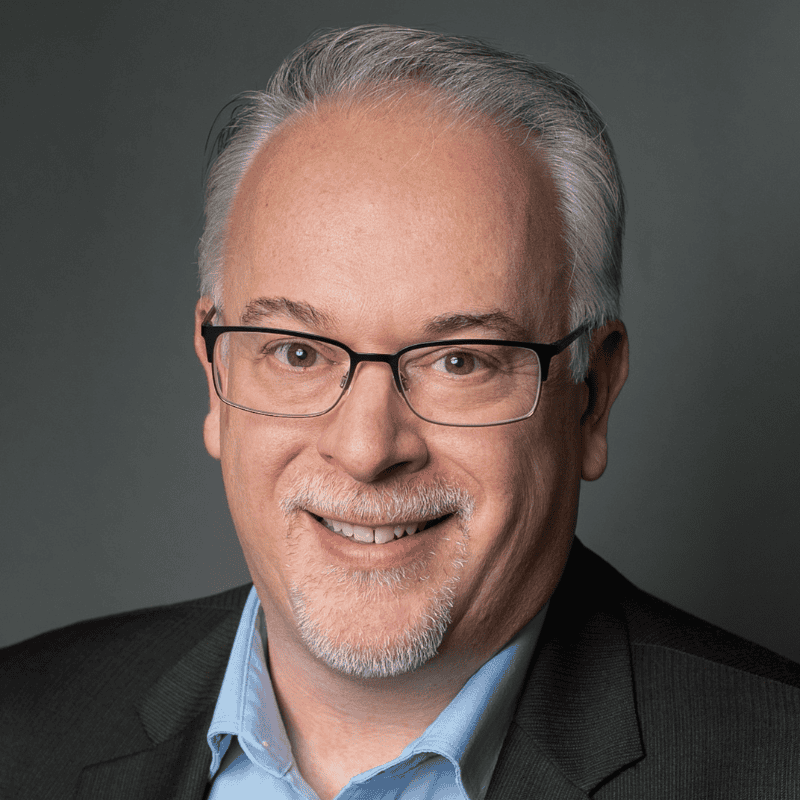
A cancer diagnosis often thrusts patients into an overwhelming, whirlwind world of medical decisions, aggressive treatments, and deep uncertainty. While conventional therapies like chemotherapy, radiation, and surgery are vital tools for targeting tumors, the traditional oncology paradigm frequently leaves a critical gap: managing the grueling physical side effects, elevated stress, and emotional toll that can severely erode a patient's quality of life. This gap is precisely where integrative oncology steps in. As defined by Dr. Eliot Edwards a naturopathic oncologist and Fellow of the American Board of Naturopathic Oncology (FABNO) integrative oncology is evidence-based, supportive care designed to work seamlessly alongside standard treatment. Dr. Edwards brings over 24 years of clinical experience to the field, having practiced directly alongside medical oncologists at Cancer Treatment Centers of America and founded Northwest Naturopathic Oncology in Portland. Today, he leads the Oncology Clinical Center of Excellence at Sonoran University of Health Sciences, where his work focuses on mitigating treatment side effects, supporting immune function, and optimizing holistic health across diet, exercise, stress management, and mental-emotional well-being. Crucially, integrative oncology is not an alternative or replacement for standard medical care. It does not steer patients away from proven conventional protocols. Instead, it builds a comprehensive safety net around the patient, ensuring that while the oncology team focuses on treating the disease, the integrative team focuses on supporting the person fighting it.
In a healthcare system where cancer patients often feel stripped of agency, Dr. Edwards’ clinical philosophy centers on restoring control. When a patient arrives for their initial consultation, they enter an extensive, 90-minute intake session designed to look well beyond basic medical charts. To make this consultation deeply meaningful without exhausting the patient, the practitioner conducts extensive background preparation before the visit even begins. Dr. Edwards thoroughly analyzes the patient's specific diagnosis, tumor genomics, medical history, current prescription drugs, lifestyle habits, and underlying co-occurring conditions. This rigorous prep work allows the clinical team to move efficiently during the appointment, spending less time on basic intake and more time answering complex questions, reviewing nutrition and lifestyle guidelines, and auditing current supplements. Despite the depth of this medical guidance, the therapeutic relationship is built strictly on collaboration, respect, and patient autonomy. “When I present the plan, I always give the patient the recognition that they're the captain of the ship. I'm their navigator, and it's really up to them to implement any, all, or none of what I've recommended.” This paradigm shift converts an intimidating, chaotic medical journey into an empowering partnership. By ensuring that therapeutic recommendations relieve burden rather than create additional anxiety, patients retain full authority over their health decisions while benefiting from expert clinical navigation.
As patients seek active ways to support their own healing, many naturally turn to over-the-counter dietary supplements. Research indicates that up to 87% of individuals with a cancer diagnosis use some form of dietary supplement. However, this widespread practice frequently creates friction with medical oncologists. Conventional oncologists are often skeptical of supplement regimens, and for good reason: unvetted compounds can interfere with chemotherapy metabolism, potentially accelerating drug clearance, increasing toxicity, or neutralizing the treatment's cytotoxic effects. Yet, simply telling patients to stop everything often leaves them feeling unsupported, driving them toward unverified online claims. Integrative oncologists bridge this communication divide through rigorous, evidence-based evaluation:
Chemotherapy-Induced Peripheral Neuropathy (CIPN) is one of the most debilitating side effects caused by neurotoxic chemotherapies, such as taxanes and platinum agents like oxaliplatin. CIPN occurs when drugs damage peripheral nerve fibers, causing burning pain, severe numbness, tingling, and gait instability that can persist long after treatment ends. Standard medicine offers few effective solutions, with pharmaceuticals like Cymbalta providing only modest, secondary symptom relief. To combat CIPN at the structural level, Dr. Edwards deploys targeted integrative interventions tailored to specific drug mechanisms:
Colorectal cancer rates are rising at an alarming pace among young adults in their 20s and 30s. From a purely biological standpoint, colon cancer should theoretically be one of the most preventable solid tumors in medicine. A benign adenomatous polyp typically takes about 10 years to transform into a malignant tumor, providing clinicians with a massive decade-long window to identify and snip out precancerous lesions via routine screening colonoscopies. While conventional risk factors like high-glycemic processed diets, alcohol consumption, sedentary lifestyles, and heavy red meat intake (especially when charred over open flames) remain significant, they fail to fully explain why healthy young adults are developing advanced disease. Emerging research points toward modern environmental exposures—such as recent studies linking young-adult colon cancer to picloram, an herbicide widely used in industrial grain production. This highlights systemic vulnerabilities in public health and preventative care:
Despite growing scientific literature supporting integrative therapies, a gap persists between conventional oncology clinics and integrative medical providers. Dr. Edwards envisions a co-managed paradigm built on two fundamental goals:
Integrative oncology represents a sophisticated, patient-centered model that unites the best of advanced conventional medicine with evidence-based supportive care. By combining targeted medical therapies with proactive lifestyle, dietary, and side-effect management strategies, patients are given practical, actionable tools to preserve their dignity, vitality, and quality of life throughout the treatment process. As open collaboration between medical oncologists and integrative specialists continues to grow, it elevates a fundamental question for the future of medicine: If integrative support can protect quality of life without compromising cure rates, how soon will it become standard care for every patient sitting in the infusion chair?
Content adapted from September 22, 2026 Five to Thrive Live podcast episode, Beyond the Infusion Chair: Integrative Oncology with Dr. Eliot Edwards.