Mushroom Polysaccharide Extracts in Cancer

Integrative Oncology

Mushrooms have long been valued as foods and in traditional medicine practices – some dating back 1000’s of years such as with traditional Chinese and Japanese Medicine. There are roughly 38,000 species of mushroom, but only around 50 have been studied for their medicinal properties. The main active ingredients that has been the focus of research are the polysaccharides—more commonly referred to as beta-glucans.

What Clinical Research Suggests


Medicinal mushrooms are one of the most extensively studied natural medicines. Numerous human clinical trials using mushroom extracts with patients receiving chemotherapy treatments have been published dating back to the 1980’s. Of these early studies, most were conducted in China and Japan, however, and did not gain attention in the US. Most of these studies showed beneficial results.

The main mechanisms from the beta-glucans are immune modulation and activation of the Natural Killer Cells - part of the front-line of our immunity. Other compounds such as terpenes and flavonoids are now being isolated from mushroom extracts and are showing other benefits such as anti-inflammatory support. Mushrooms have been studied in a variety of cancers, but not all of them. However, the immune modulating mechanism that is seen in the studies, is likely applicable and helpful across most cancer types.

Are Mushroom Extracts Safe?


None of the clinical trials on mushroom extracts suggested any interaction or interferences with chemotherapy, radiation or other medications. Mushroom extracts are generally well-tolerated by most people, though sometimes digestive upset can occur which resolves when the mushrooms are stopped.

Theoretical concerns have been posited that mushroom extracts could cause blood thinning or liver inflammation. There have been a small number of case reports where someone taking a mushroom extract developed liver failure. We also know that some species of mushrooms are deadly poisonous. Because of these concerns, many conventional oncologists will recommend NOT using mushroom extracts. However, considering the wide-spread use of medicinal mushrooms over the last several decades, they are considered very safe to take.

Why can't I just eat them?


Mushrooms are a wonderful culinary ingredient and if you like them - eat them regularly. However, if you desire the medicinal properties from the mushroom, hot-water extraction unlocks those benefits. Beta-glucans make up only a small portion of fungal material and are bound within a chitin matrix, which can limit availability. Hot-water extraction helps release the soluble polysaccharides so they can be concentrated into standardized extracts. This makes them more bioavailable and absorbable. Note - not all mushroom supplements are hot-water extracted, so read the label carefully to ensure they have been before you buy them.

Which mushroom is the best?


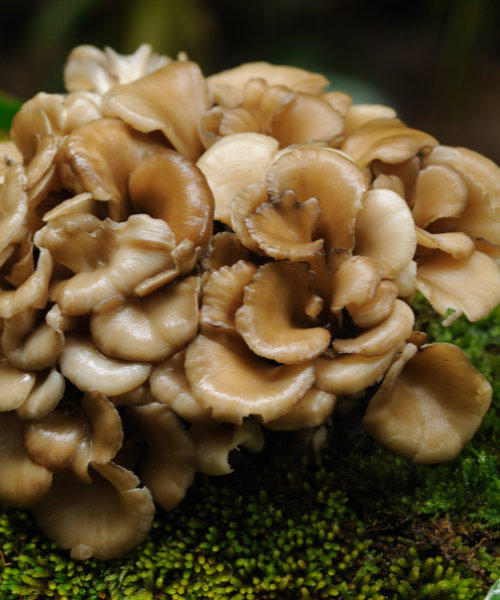
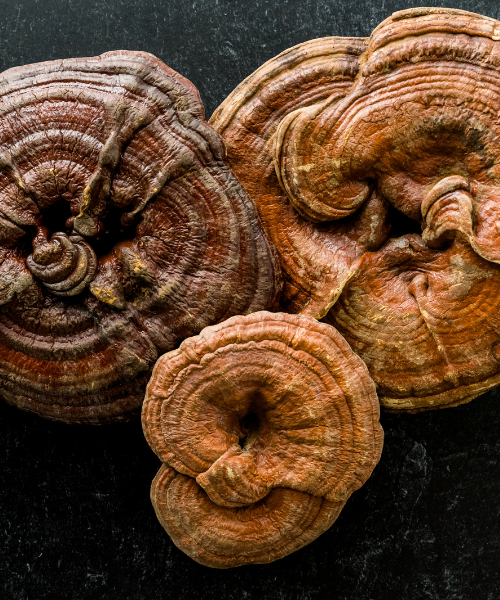
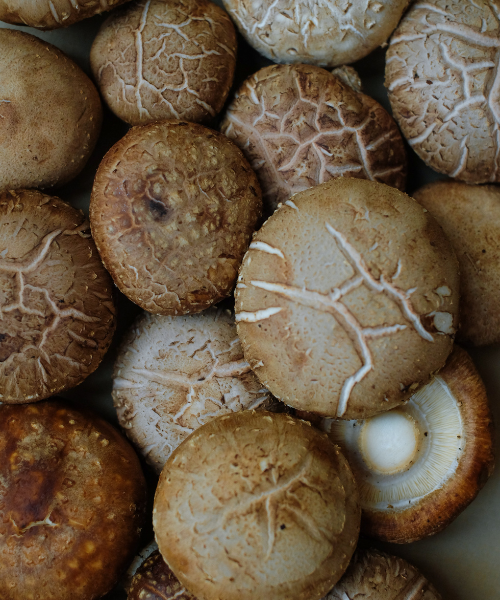
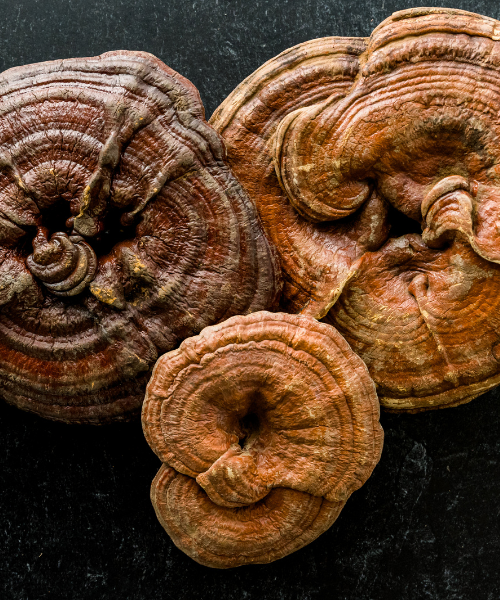
As previously mentioned, there are around 50 medicinal mushroom species that have been identified and studied. No specific mushroom has been found to be superior to others. That said, different species may have different mechanisms and characteristics. For instance, Hericium erinaceus (Lion’s Mane) seems to be very beneficial for brain health and function. A few of the most commonly used mushrooms for cancer include Ganoderma lucidum (reishi), Grifola frondosa (maitake), Coriolus versicolor (also known as Trametes versicolor or its common name, Turkey Tail), Lentinula edodes (shiitake), Agaricus species, and Cordyceps.

Patients should not assume that all mushroom products are equivalent. Whole mushroom powders, mushroom “coffee”, mycelial extracts, beta-glucan concentrates, and proprietary blends may differ substantially. Product testing, extraction method, beta-glucan content, contamination screening, and clinician oversight are important—especially during chemotherapy, immunotherapy, targeted therapy, or surgery.
Mushroom polysaccharide extracts are a highly researched natural medicine in integrative oncology. But as with any supplement or holistic therapy, it is best to check with your naturopathic oncology specialist to determine what would be best for you in your situation.

Article written by Eliot Edwards, ND, FABNO

Eliot W. Edwards, ND, FABNO, naturopathic physician specializing in integrative oncology and cancer support.

Take the next step toward comprehensive cancer support. Schedule an appointment with Dr. Edwards today and discover how we can help you navigate treatment, recovery, and long-term wellness.